
An Appreciation from Lin Maria Riotto
It is impossible to think about the Harpswell Historical Society Museum and Archives without thinking of David Henry Hackett III, who as president of the organization for 31 of its 46 years, has been preserving the past for the future since 1979. Presiding over a vast storehouse of Harpswell artifacts, images, art, records, documents, oral histories, genealogies, David has worked hard to attach narratives that give depth and context to each item. In recognition of his expertise, David has become the HHS Historian.
A great great grandson of Rev. Elijah Kellogg, he is also related, by descent or through marriage, to a number of the established families in town, and through those connections many items have migrated from Dave’s purview to the museum’s. From his barn to the museum have come Kellogg’s buggy and the buckwagon of Perley Hackett, a Harpswell selectman for three decades and Dave’s grandfather. Among other familial items that have passed through Dave to the museum are Elijah Kellogg’s desk and rocker and the original handwritten manuscript of Charlie Bell. The 1898 photographic album of his great aunt, Mertie May (Mrs. John C.) Hackett. Captain Dunning’s stick barometer, telescopes, writing desk, and sextant-like “gunter rule.” A carpenter’s chest from E.C. Dunnings. As a boy growing up in the Elijah Hodgkins homestead, each night on his way to bed, Dave passed through a parlor resplendent with treasures carried home on the square-rigged ships captained by his ancestors, and many of those treasures, like the oil portraits of Captain Charles Bishop and his wife Sophie, now hang in the museum.
In his quest to present a complete picture of Harpswell life through time, Dave has also frequented local estate sales and tagged, with a mental GPS, the locations of every artifact he thinks would enhance the collection. As a boy he followed his mother and Sam Alexander’s as they researched in cemeteries and attics all over town; as a man he has never been shy about knocking on doors, asking people to donate (or promise to donate) an artifact he remembers seeing as a child.
Of course, some artifacts are gifted without his solicitation. But even those are not without drama and personal exertion, like the osprey currently in the front room of the museum. After losing an aerial battle with high-voltage electricity, the bird, now posed with wings extended as if readying for flight, required eighteen months of bureaucratic wrangling with both state and federal officials to secure the permits before the taxidermist to begin work. Once the osprey was mounted on an artful perch that Dave had to create, he then had to grapple with the logistics of transporting a fragile bird on an oversized perch from Durham to Harpswell. In a convertible. He was then confronted by the need to construct a case around both before the osprey could be displayed. When Dave tells the saga of the osprey it takes on the mythic overtones of a determined David versus an obstructive universe, determined to thwart him at every turn.
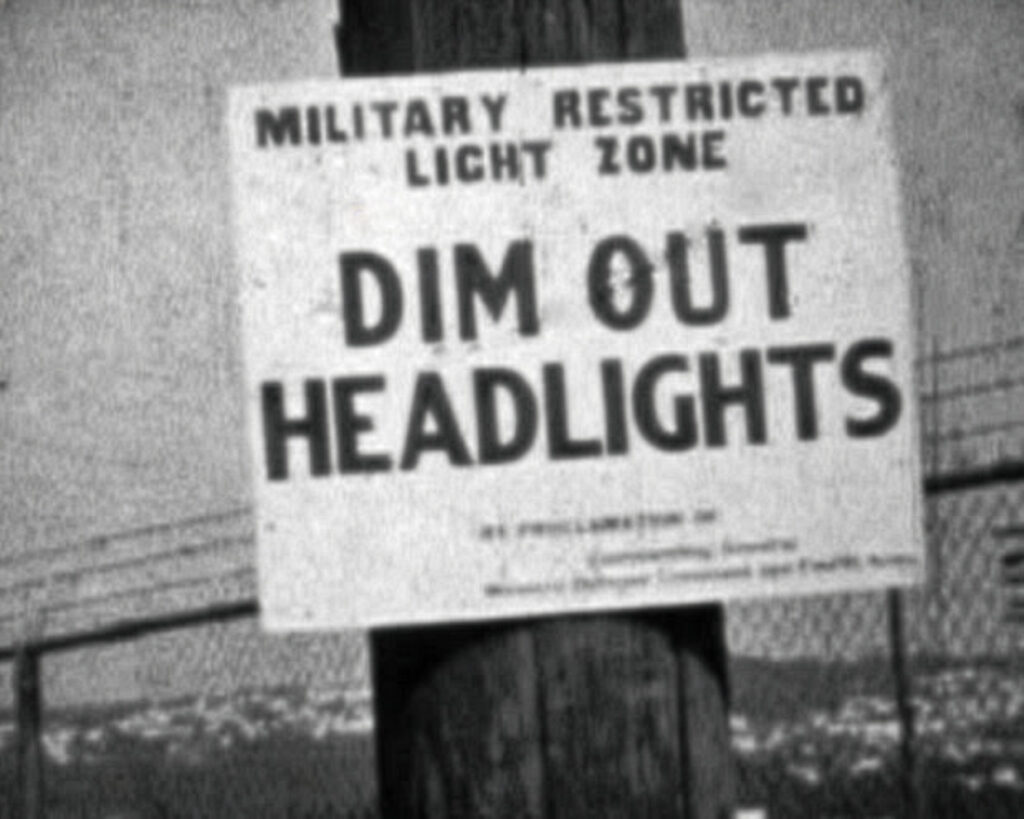
David began seriously collecting for the museum about twenty-five years ago, He may not ever have articulated his goal, but the resulting collection presents a stunning and detailed picture of the dailiness of life in a rural Maine community in all its surprising complexity. The handmade lobster gauge. The hand-forged eel spear. The World War II armband for volunteers of the Aircraft Warning System. The wharf bell that announced the arrival and departure of steamships. The half-hull models that dictated the forms that would become the Harpswell-built schooners and brigs and barques. The computing scale that speeded the shopkeeper’s calculations. The town hearse books that detailed monies spent and corpses carried. The kitchen peels, the netting shuttles. The two-man saw, the iron ice skates. The wheelwright’s traveler and the cobbler’s stitching pony. The shave that introduced the graceful curve at the top of a picket, and agricultural equipment of every description. Items, in short, that were chosen and maybe even cherished as elegant solutions to the challenges of everyday life.
As passionate as he is about collecting artifacts, Dave is equally committed to educating young people about them and about the vanishing skills of the past. He has worked with organizations like the Coastal Academy in the past, and is planning other youth-outreach programs for next season.
After a quarter-century of amassing artifacts that connect the people of Harpswell to each other, the land, the sea, and the wider world, Dave has embraced the necessity and challenge of inventorying and cataloging the estimated 20,000 items that are the collection. This time, he has clear and articulable goals: to infuse the collection with context, and make it available to Harpswell and beyond through a searchable internet presence.
Archivist Lin Maria Riotto has been working closely with Dave as they inventory and catalog the Harpswell collection, and she learns at least one new thing about the collection every day. If you too would like to surprise and delight your brain and join them, please contact her directly at harpshistorylin@proton.me and ask about archival volunteer opportunities.

0 Comments