by Robert Porter
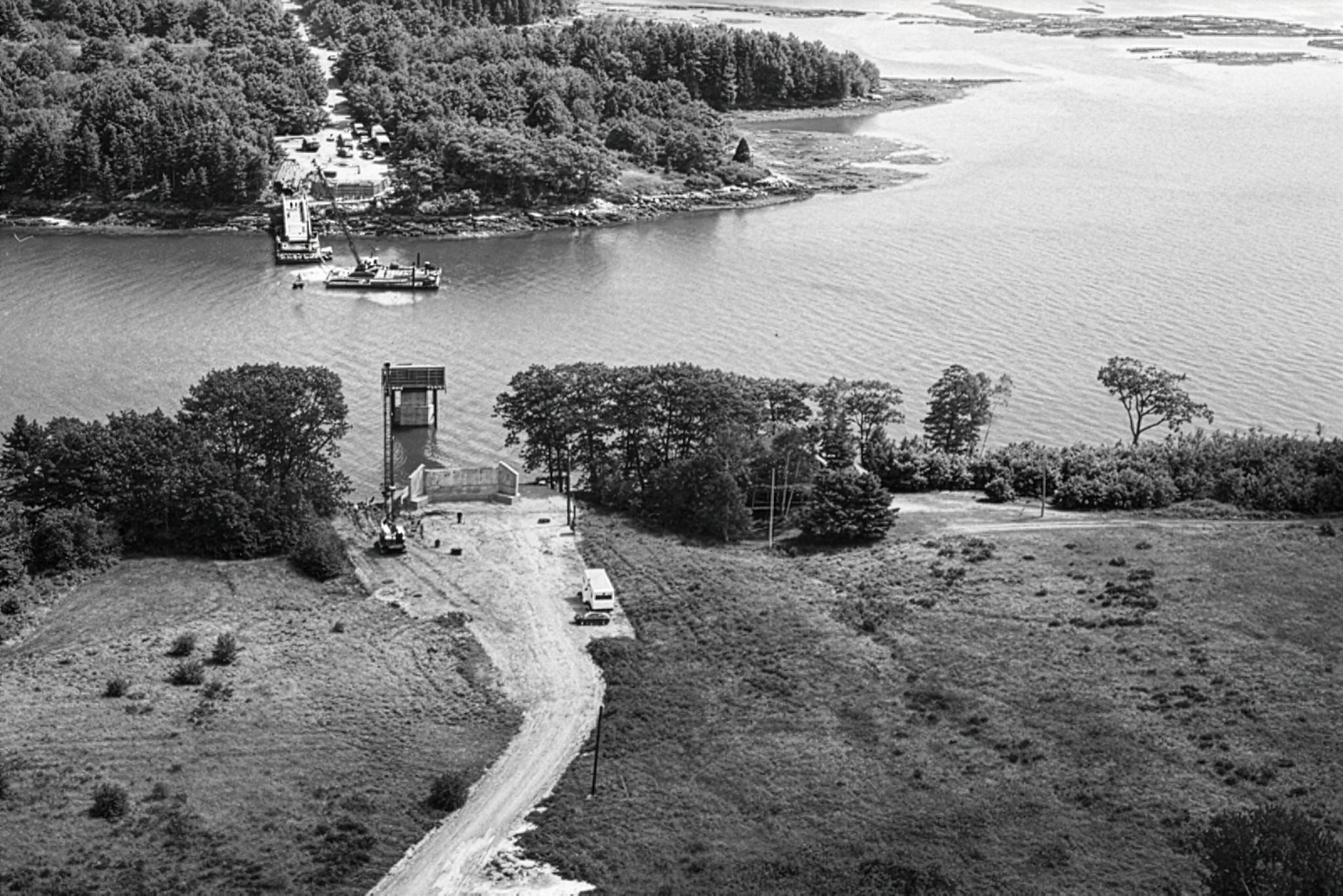
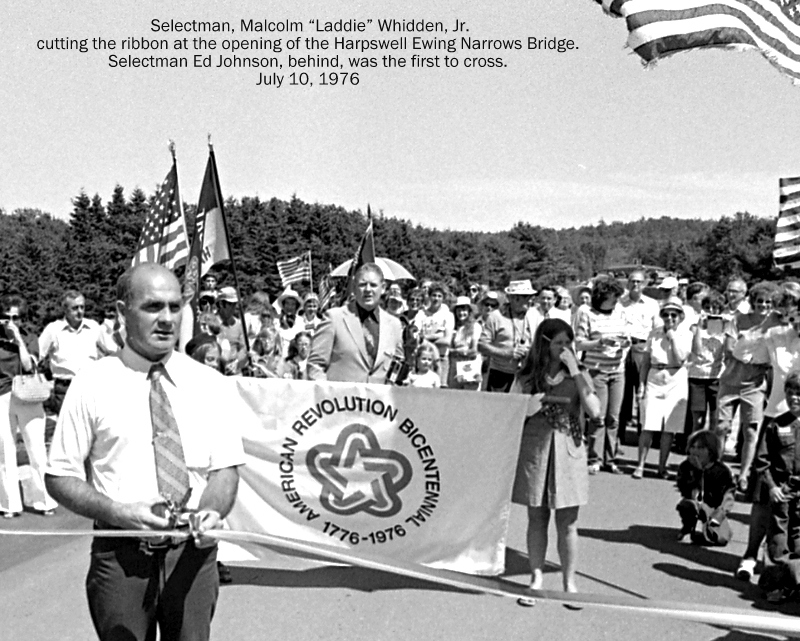
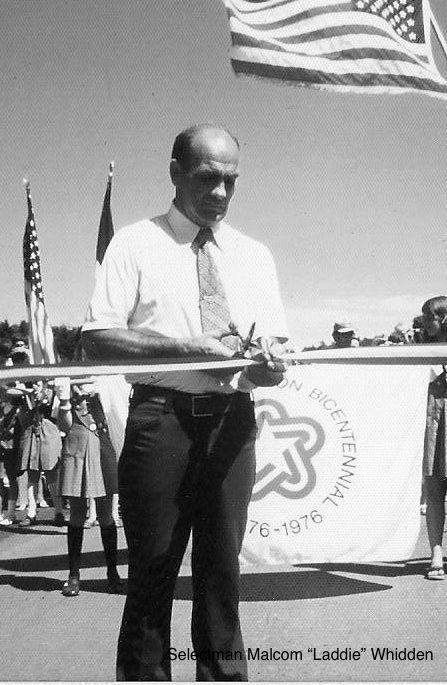
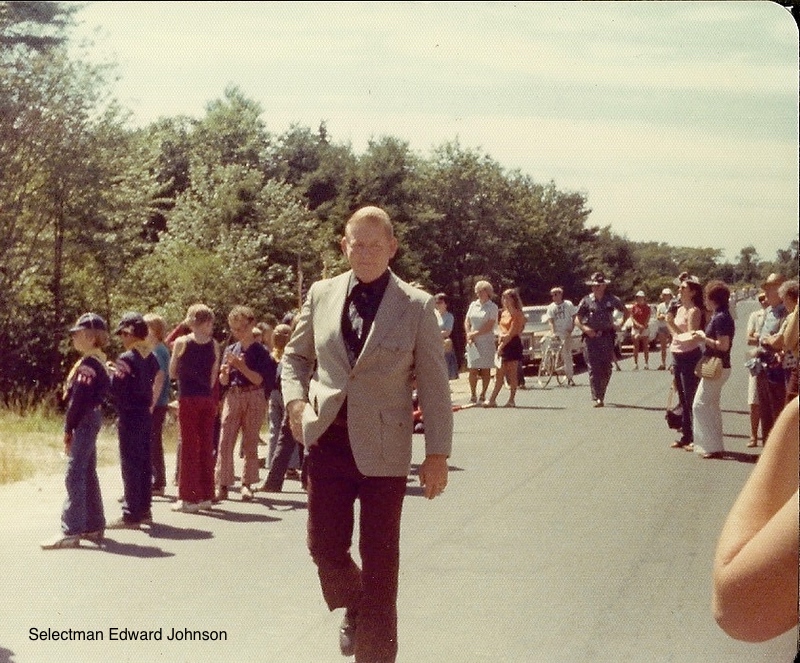
The Ewing Narrows Bridge was dedicated on July 10, 1976. Fifty years later in 2026, many of us take the bridge for granted. Its completion was never a sure thing, and in fact it came about only through citizen advocacy, a spirit of volunteerism, persistence on the part of Harpswell’s leaders, especially Malcolm (“Laddie”) Whidden from the Neck and Edward Johnson from Bailey’s Island. It also benefitted a good bit from what today is known as “networking” or the making and working of contacts in the right places.
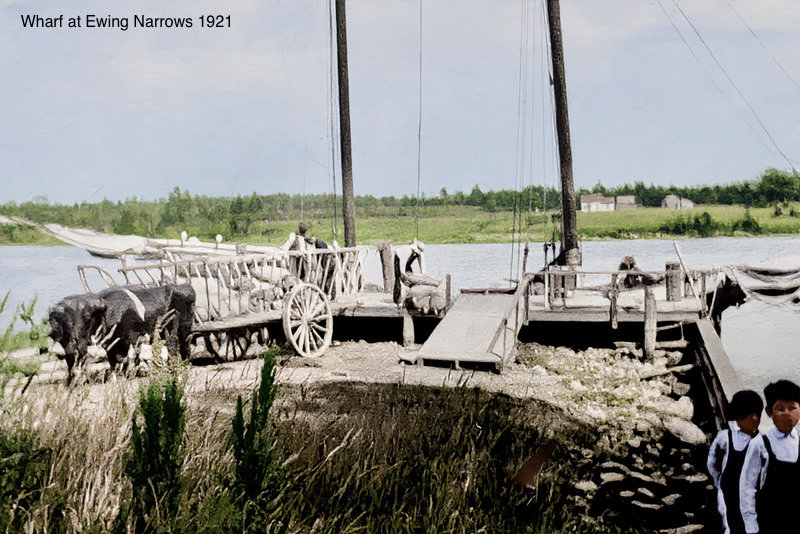
In the early 1900s, a short boat ride across Harpswell or Merriconeag Sound connected the various parts of Harpswell, socially and economically. For shopping Harpswellians often took the ferry to Portland rather than endure the rough and unpaved roads to reach stores in Brunswick and Bath. As the use of automobiles grew and the roads to Brunswick were paved and improved, people's attention increasingly turned toward Brunswick for shopping and social activities, and contacts among the parts of Harpswell decreased. This led to occasional calls for the separation of the Neck and the Islands into two different towns. Although proposed more than once at Town Meeting and as recently as in 1961, the idea was voted down every time.
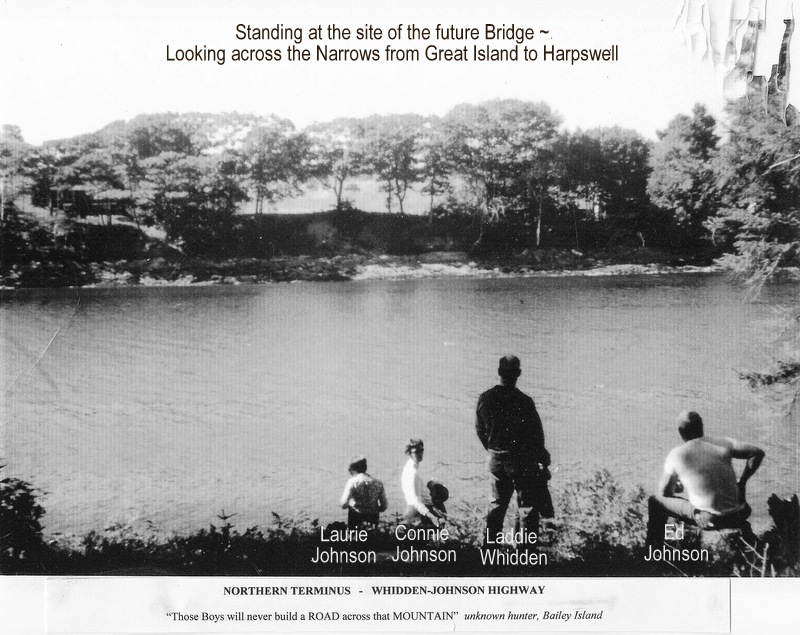
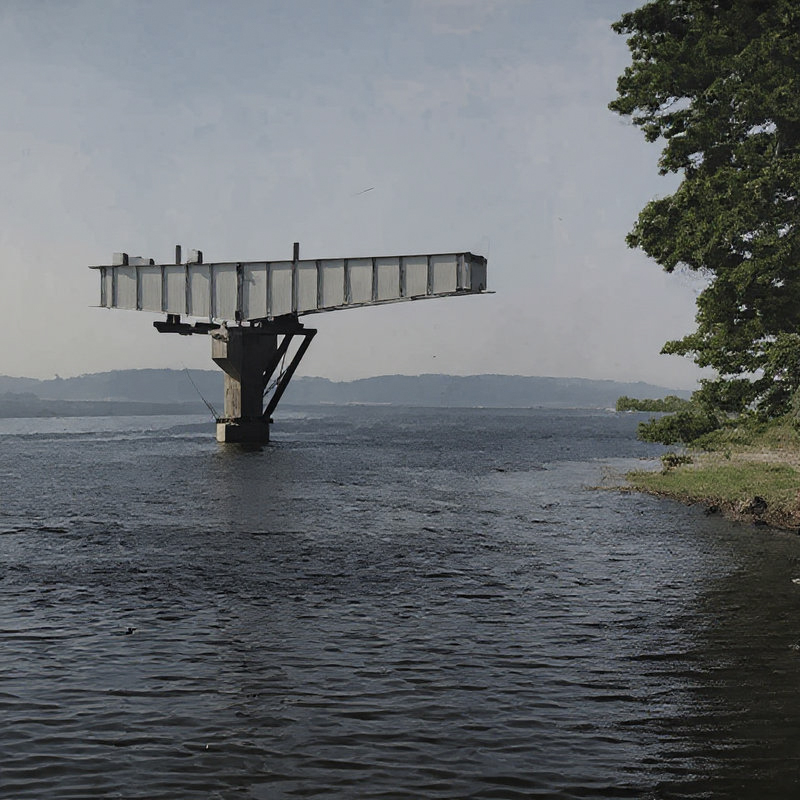
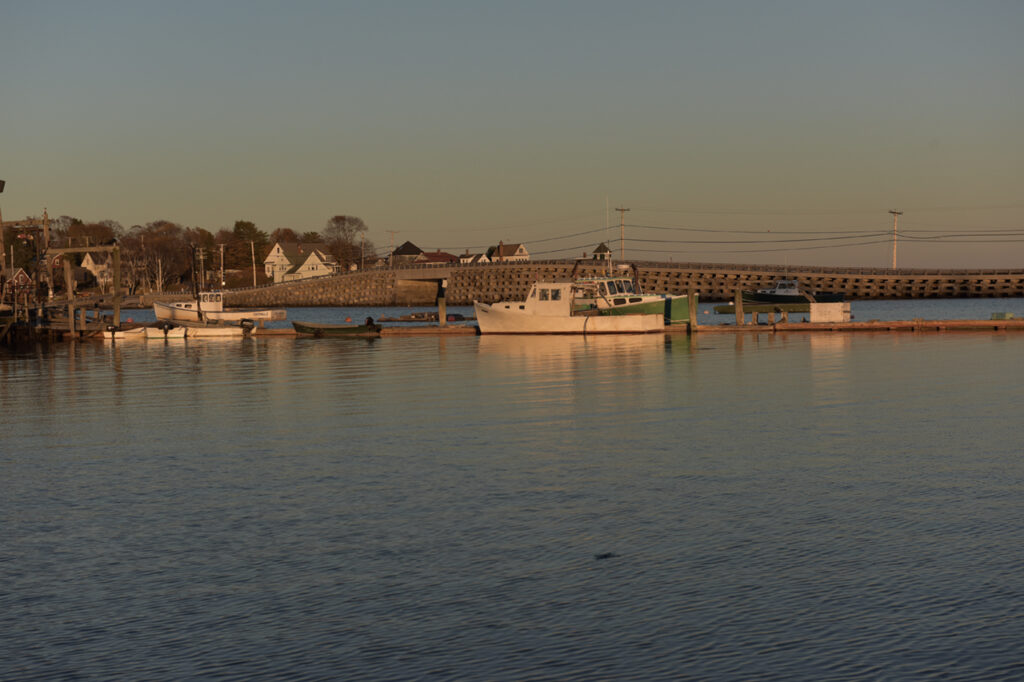
By the 1960s people began thinking about building a bridge across Ewing Narrows to reduce expenses and travel time from one side of town to the other. Workers and family members from one side spent many extra hours reaching the other side of town via Brunswick. When the US Navy extended the runway of the Brunswick Naval Air Station in 1949, it blocked a “shortcut” between the two sides of Harpswell at Dyer’s Corner, and the road trip took even longer. Before the bridge, it took at least 55 minutes and 31.8 miles of driving to go from Potts Point to Land’s End even though to two locations were only 1 1/2 miles apart by water. Cundy’s Harbor was even farther away from the Neck via Brunswick.
Before the bridge was built, there was a decent road from Route 123 at Vegetable Corner to the Wharf Road at Ewing Narrows on the Neck side. On the Great Island side, there was only a steep and circuitous dirt road heading west from Route 24 a few miles north of where the Mountain Road would be built. It dead-ended at a gravel pit.
In the mid 1960s, community members led first and foremost by Selectman Malcolm B. (Laddie) Whidden, and soon also by Selectman Edward Johnson, began advocating for a bridge across Ewing Narrows to reduce travel time and better connect all parts of Harpswell and to encourage a sense of unity. They worked with Maine Department of Transportation Commissioner David Stevens to win state legislature approval, find funding, and obtain permits. The bridge was Mr. Whidden’s dream. According to Ed Johnson’s daughter Beth York, her father took the lead in discussions with Stevens because Mr. Whidden and Stevens had earlier had a falling out over the felling of an ancient oak tree blocking expansion of Route 123. After persistent lobbying, Stevens promised to provide state aid for construction of a bridge…but only if the town built a good access road on both sides of the Narrows. While some in Harpswell were against a bridge because of the costs involved or because they favored separation, a vote at town meeting in 1968 approved the project and raised $6,000 for land clearing and a culvert at Strawberry Creek. With that, the people of Harpswell began to organize to build a new road from Route 24 to the Narrows.
The land between Route 24 and the Narrows across Long Reach Mountain was owned by 8 to 10 people, some of whom initially did not support the project, but they were eventually persuaded and with one exception donated the land under the right of way. This made good business sense for them because the bridge would provide access to their land and raise its value. Beth Johnson York tells the story of a man who owned a house where the Mountain Road would connect with Route 24. When told that his house would be moved to a new location, he asked if they would move his well, too.
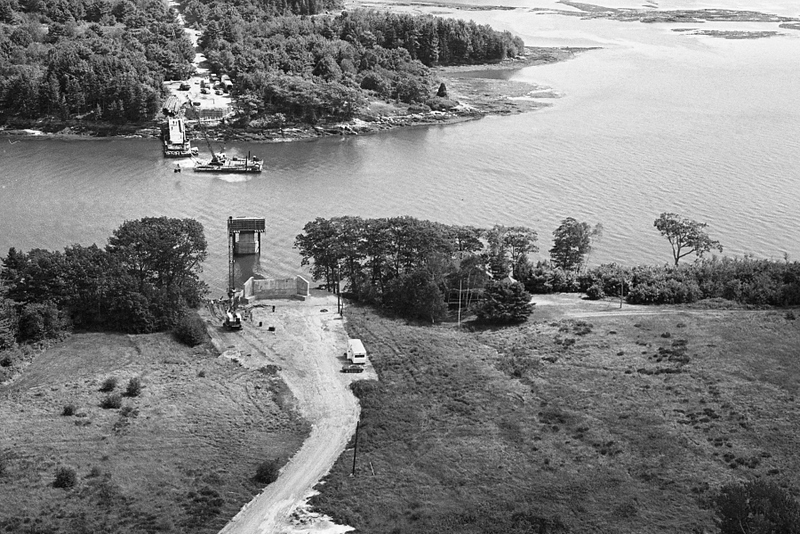
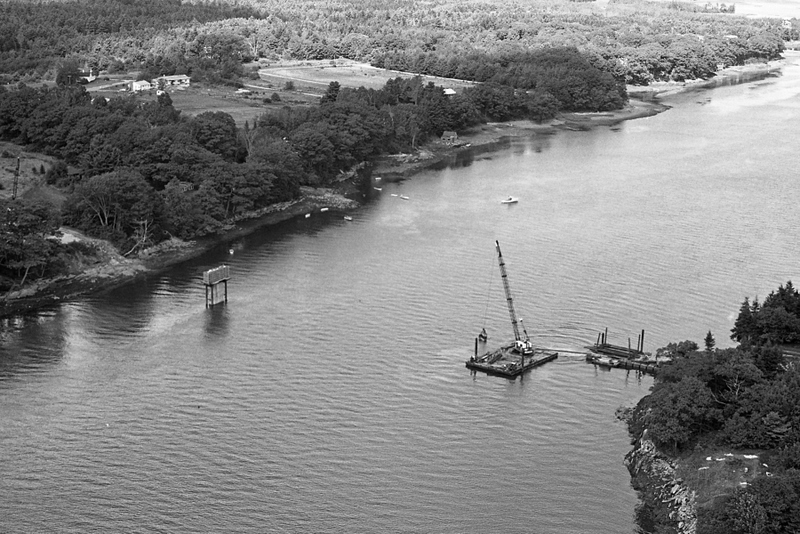
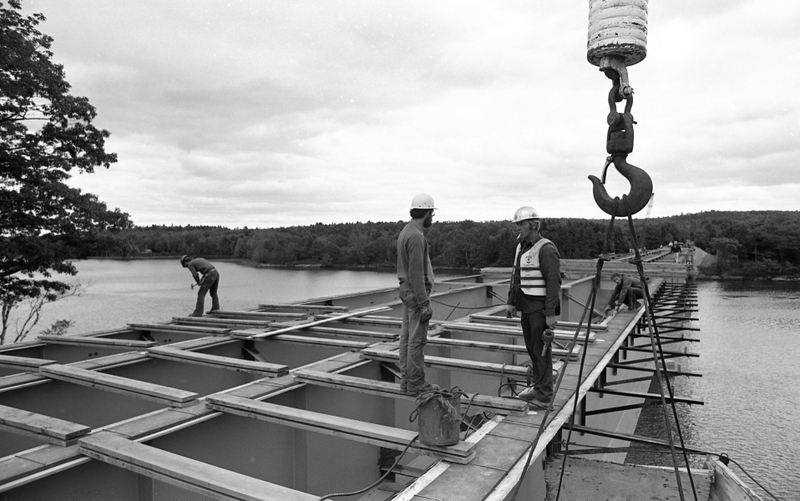
About 60 people volunteered to clear the land. Friends and relatives supplied meals and coffee to fuel their energy. It took them 3 to 4 days to rough clear three possible routes through the forest between Route 24 and Strawberry Creek. State officials later chose the final route. Lewis Stuart, a contractor from Cundy’s Harbor, won a bid of $25,000 to finish the road. He provided an excavator and gravel; the volunteers helped remove the stumps from the roadway. The townspeople worked without compensation because they saw value in the bridge and wanted the project to succeed.
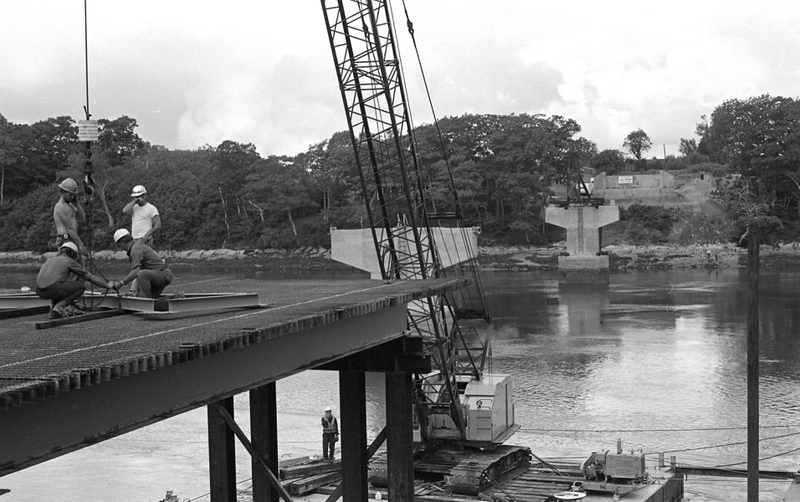
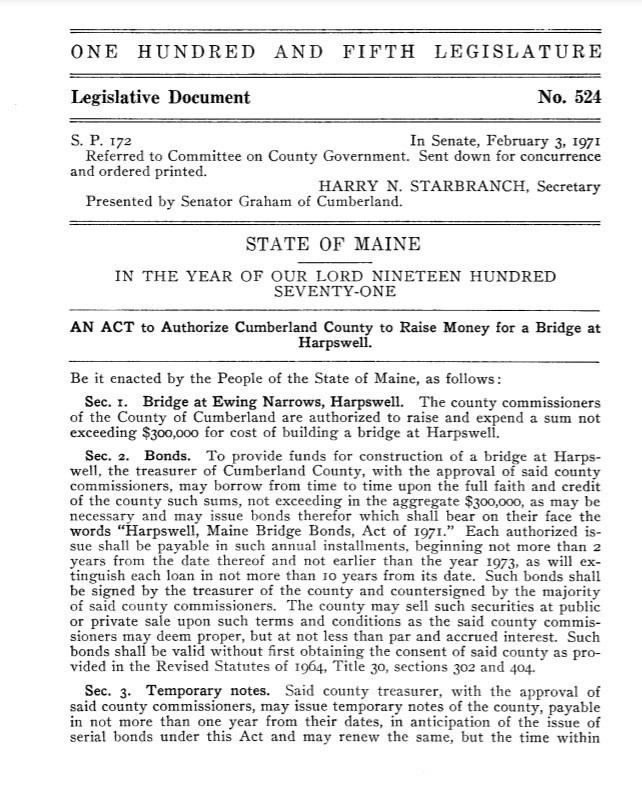
Once the road was completed, Commissioner Stevens proved to be a man of his word, and the state funded the construction of the bridge. In 1971 the legislature approved $300,000 to build the bridge and the town approved $53,900. According to Mr. Johnson, Harpswell’s cost amounted to a $2 increase in taxes for Harpswell taxpayers. A 2016 article in the Harpswell Anchor quotes both Mr. Johnson and Mr. Whidden as saying that Commissioner Stevens’ role was crucial and that the bridge would not have happened without his support.
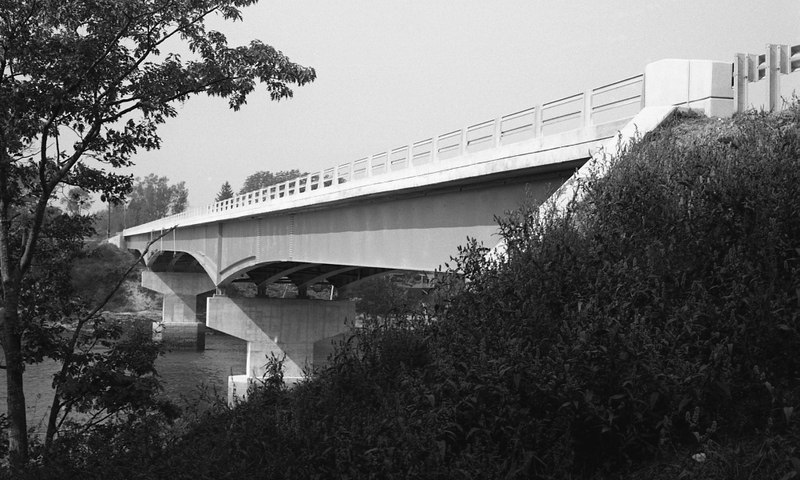
The 675-foot long bridge was dedicated on Saturday, July 10, 1976, in a ceremony that marked the end of a ten-year project. It now takes only 30 minutes to drive the 17 miles from Potts Point on the Neck to Land’s End on Bailey Island, basically cutting the trip in half. The bridge enables students from all over Harpswell to attend the same school, thereby creating new life-long friendships throughout the town. With the bridge, Harpswell now enjoys a single central location for town offices, a community TV station, and waste disposal and recycling. (In fact, “the dump” is viewed by some as a good place to run into friends from all over Harpswell.) At the time of the 40th anniversary of the bridge in 2016, Mr. Whidden told The Anchor that he saw “a lot more people interacting with people on the other side,” and Mr. Johnson observed that the bridge “made the town.”
As we celebrate the 250th anniversary of the Declaration of Independence, we are proud to recognize the accomplishment of Harpswell’s citizens in building the bridge. In 1776 with the goal of independence in mind but few resources, our forebears drew on personal relationships and banded together because they believed in the right of Americans to be free of British control. Like our forebears, the citizens of Harpswell overcame their differences, together gathered scarce resources, worked their personal relationships and connections, and sucessfully advocated for something they believed in. Few would dispute the fact that the completion of the bridge has brought all parts of Harpswell closer together in every way.
With thanks for contributions from the Whidden and Johnson families, David Hackett, Sam Alexander, Kara Douglas, and the Harpswell Historical Society.
Rob Porter is a board member of the Harpswell Historical Society. His family ties to Maine go back at least 225 years. (6/8/26)
0 Comments